
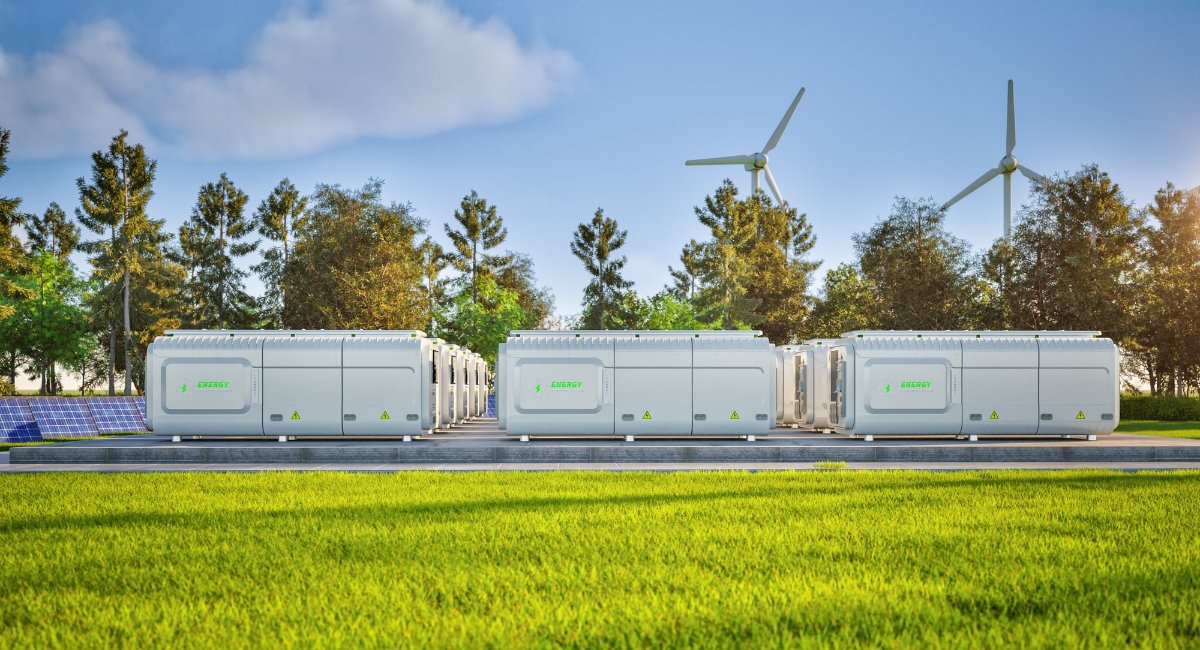
Battery storage is surging across the U.S. grid—but so are concerns about fire safety, emergency response, and community trust. With California’s new Senate Bill 283 and national safety frameworks emerging, it’s time to ask: how do we scale responsibly?
What is California’s new battery safety law?
Senate Bill 283, passed in response to the Moss Landing fire, requires battery storage developers to:
- Coordinate with local fire departments before and after installation
- Share emergency response plans and site access protocols
- Conduct post-incident reviews and community engagement
This law sets a precedent for other states to follow, especially as battery energy storage systems (BESS) become critical infrastructure.
Why is fire department coordination so important?
Lithium-ion battery fires are difficult to extinguish, can reignite hours or days later, and may release toxic gases. Fire departments need:
- Site-specific response plans
- Real-time access to system data
- Training on battery chemistries and suppression techniques
Without early involvement, emergency response becomes reactive instead of proactive.
What are the current best practices for battery safety?
- Follow NFPA 855 Standards
- The National Fire Protection Association’s NFPA 855 is the gold standard for BESS installation and fire safety.
- It covers spacing, ventilation, suppression systems, and hazard mitigation.
- Conduct Pre-Planning with Fire Departments
- Share system specs, access points, and emergency shutoff procedures.
- Include fire officials in site plan reviews and commissioning walkthroughs.
- Use UL9540A Testing Protocols
- UL9540A evaluates thermal runaway risk and fire propagation.
- It’s essential for permitting and insurance compliance.
- Implement Environmental Monitoring
- Track air quality and soil contamination after incidents.
- Comply with EPA guidelines for battery disposal and remediation.
- Educate the Community
- Host public safety briefings and Q&A sessions.
- Share how modern BESS designs differ from early-generation systems.
Are these practices working?
Yes. For the most part,
- Most incidents involved older systems that predated modern safety codes.
- New designs and standards have significantly reduced failure rates per gigawatt-hour deployed.
What should the developers do now?
- Build fire coordination into project timelines
- Include NFPA 855 and UL9540A compliance in RFPs
- Train teams on emergency protocols and community engagement
- Advocate for balanced regulation that supports innovation and safety

